That’s where pre-selling comes in. It’s a smart approach that can save you time, money, and a lot of heartache. This guide is for anyone who has that spark of an idea and wants to make sure it’s a fire before they fan the flames. We’ll walk through how to test your idea, build excitement, and get people to commit to your software even before it’s fully built. This is about building smarter, not just harder.
Pre-selling a SaaS product involves validating your business idea by getting customer commitments or payments before the full product is developed. This process confirms demand, funds development, and builds an initial user base by offering early access, discounts, or unique perks to those who commit upfront.
Understanding the Power of Pre-Selling SaaS
Pre-selling is like getting a dress rehearsal for your business. Instead of opening night to an empty house, you invite a select audience to see your work in progress. They give you feedback and, more importantly, they often pay for a ticket to the final show. For Software as a Service (SaaS), this is incredibly valuable. You’re not just guessing if your software idea is good; you’re getting real people to say, “Yes, I need this, and I’ll pay for it now.”
Think about it. The biggest risk in building a new product, especially software, is that no one buys it. You might have built the most elegant code or the most user-friendly interface, but if it doesn’t solve a pain point that people are willing to pay to fix, it stays a beautiful project. Pre-selling flips this risk. It forces you to find that pain point and prove that your solution is desired before you invest all your development resources.
The beauty of pre-selling is that it creates a feedback loop right from the start. The people who pre-order are your first and most invested customers. They want to see you succeed because they’ve already put their money on the line. They’ll often offer honest feedback, help you find bugs, and suggest features that will make the final product even better. This kind of early input is gold. It shapes your development in a way that’s driven by real market needs, not just your own assumptions.
Moreover, pre-selling provides crucial funding. Building a SaaS product requires time and often a team. The money you raise from early adopters can directly fund the development, marketing, and operational costs. This can significantly reduce your need for external investment, giving you more control over your company’s direction. It’s a powerful way to bootstrap your business and maintain independence.
In essence, pre-selling is a validation strategy. It moves you from a hypothetical “what if” to a concrete “yes, this is needed.” It’s about building a community around your product before it even exists. This early community becomes your most powerful marketing engine, your most honest critics, and your most loyal supporters. It’s a fundamental shift from building in isolation to building with your future customers at your side.
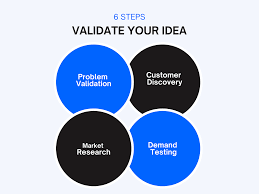
The Core Idea: Validating Demand First
At its heart, pre-selling SaaS is about validation. It’s about answering one crucial question: “Will people actually pay for this?” You might have a brilliant idea, but ideas are cheap. Execution and market demand are what make a business. Pre-selling is the ultimate market test.
Imagine spending six months building a complex CRM system. You’ve poured over every line of code, designed stunning dashboards, and implemented every feature you thought was essential. Then you launch, and… crickets. The market didn’t need another CRM, or yours didn’t solve their specific problem well enough. This scenario is far too common. Pre-selling aims to prevent this costly outcome.
The process begins with identifying a problem. Not just any problem, but one that a specific group of people (your target audience) experiences deeply and is willing to spend money to solve. This problem should be significant enough that current solutions are inadequate, too expensive, or too difficult to use.
Once you have a strong hypothesis about a problem and a potential solution, you don’t rush to build. Instead, you focus on communicating your proposed solution to potential users. This communication aims to gauge their interest and willingness to commit. Commitment can take many forms: signing up for a waitlist, participating in a survey, attending a webinar, or, most importantly, making a pre-purchase or a deposit.
The key is to get a tangible signal of intent. A “like” on social media or a positive comment is nice, but it doesn’t pay the bills. A credit card number, even for a small amount, is a much stronger indicator of real demand. This is why pre-selling is so powerful; it transforms passive interest into active commitment.
This validation process helps you understand your customers better. You learn about their pain points directly from them. You discover what features are most important and what pricing they find acceptable. This insight allows you to pivot your product strategy as needed, ensuring that when you fully launch, you’re offering something that people genuinely want and need.
It’s a cycle of idea, outreach, validation, and refinement. You present your vision, collect evidence of market interest, and use that evidence to guide your product development. This ensures you’re building a product that has a higher chance of success because it’s being built with a confirmed audience in mind.
What Makes a Good Pre-Sell Idea?
Your SaaS idea is a good candidate for pre-selling if it:
- Solves a clear, painful problem for a specific group.
- Offers a solution that is significantly better than existing alternatives.
- Has a target audience that is reachable online.
- Can be clearly explained and its value communicated effectively.
- Has a potential market large enough to support a growing business.
Finding Your Tribe: Identifying Your Ideal Customer
Before you can sell anything, you need to know who you’re selling to. This isn’t just about demographics; it’s about understanding their world, their challenges, and their aspirations. For SaaS, this means identifying the specific businesses or individuals who will benefit most from your software.
Let’s say you’re building a tool to help small independent bookstores manage their inventory and online sales. Your target audience isn’t just “people who like books.” It’s the owners and managers of these bookstores. What are their daily struggles? They might be overwhelmed by manual stock checks, losing sales because they can’t update their online catalog quickly, or struggling to compete with larger online retailers.
You need to dig deeper. What kind of bookstores are they? Are they focused on new releases, rare books, or used books? Are they in urban areas or rural towns? What is their current technology stack? Are they tech-savvy or do they prefer simpler, more intuitive tools? Understanding these nuances helps you tailor your message and your product.
I remember working with a founder who wanted to build a project management tool. He was targeting “all businesses.” That’s too broad. After a lot of conversation, we discovered his real passion was for helping creative agencies. These agencies had unique workflows involving client approvals, mood boards, and fast-paced project changes. His software, when focused on this niche, suddenly had a much clearer purpose and a more defined audience who felt understood.
To find your tribe, you can:
- Talk to people: Reach out to individuals who you believe fit your ideal customer profile. Ask them about their daily challenges related to the problem you aim to solve.
- Research online communities: Look for forums, social media groups, and subreddits where your target audience hangs out. Observe their conversations, complaints, and requests.
- Analyze competitors: Who are your competitors serving? What can you learn from their customer base? Where are they falling short?
- Create customer personas: Develop detailed profiles of your ideal customers. Give them names, job titles, goals, and pain points. This makes them feel more real.
When you understand your audience deeply, you can speak directly to their needs. Your marketing messages will resonate more, and your product development will be far more focused. This is the bedrock of successful pre-selling.
Customer Persona Snapshot: “Bookstore Brenda”
Brenda (Owner)
Independent Bookstore Owner
Pain Points:
- Inventory errors lead to lost sales.
- Slow updates on online store.
- Juggling multiple systems (POS, online, inventory).
Needs & Goals
Needs:
- Simple, unified system.
- Accurate, real-time inventory.
- Easy online sales management.
Goals:
- Increase online sales.
- Reduce manual work.
- Compete with larger retailers.
Crafting Your Minimum Viable Product (MVP) Pitch
You have a problem and an audience. Now, you need a clear, concise way to present your solution. This is your Minimum Viable Product (MVP) pitch. It’s not the full product; it’s the smallest, most essential version that still delivers core value and solves the main pain point.
The goal of your pitch is to get people excited enough to commit. This means focusing on the benefits, not just the features. Instead of saying, “Our software has a robust database,” you say, “Never lose track of a customer again. Our system keeps all your client details organized and easily searchable.”
When I first started exploring this, I created a long list of all the features I could build. It was overwhelming. I had to step back and ask myself: “What is the absolute minimum my early customers need to see to get value?” For an email marketing tool, it might be just sending emails to a list and tracking opens. Advanced segmentation, A/B testing, and automation can come later.
Your MVP pitch should clearly articulate:
- The Problem: Briefly state the pain point your target audience faces. Use language they understand.
- Your Solution: Describe your software and how it solves that problem. Focus on the outcome.
- The MVP: Explain what the initial version will do. Be honest about limitations.
- The Value Proposition: What unique benefit does your solution offer? Why is it better?
- The Call to Action: What do you want them to do next? (e.g., Pre-order, join the waitlist).
A great way to visualize your MVP is through a landing page. This page is your central hub for communicating your pitch. It needs to be clean, persuasive, and easy to navigate. Use compelling headlines, clear benefit statements, and strong visuals (even mockups are great). Most importantly, it needs a clear call to action for pre-ordering or joining a waitlist.
For example, a landing page for an inventory management tool for small craft businesses might read:
Example MVP Pitch Elements
Headline:
Stop Guessing Your Stock. Start Selling Smarter.
Problem:
Handmade sellers often lose sales because inventory is messy.
Solution (MVP):
A simple app to track your craft supplies and finished goods.
Benefit:
Know what you have, reduce waste, and ship orders faster.
Crucially, your pitch needs to be honest. Don’t overpromise what the MVP will do. Transparency builds trust, which is vital for early adopters. You’re asking them to take a leap of faith with you.
Building Your Waitlist: The First Step to Commitment
Before you ask for money, you want to build a community of interested people. This is where the waitlist comes in. A waitlist is a list of people who have explicitly expressed interest in your product. They’ve given you their email address, signaling they want to hear from you and potentially be among the first to try or buy your SaaS.
Why is a waitlist so important? It’s a low-friction way for potential customers to engage. They aren’t committing financially yet, but they are showing intent. This list becomes your primary audience for future communication, updates, and eventually, the pre-sale offers.
I’ve seen founders build beautiful websites that describe their product but forget to include a simple “Join Waitlist” button. That’s a missed opportunity. Every visitor to your site is a potential waitlister. Make it easy for them to sign up.
How do you build a strong waitlist?
- Clear Value Proposition: On your landing page, clearly state what problem you solve and why someone should join the waitlist. Offer an incentive like early access, a discount, or exclusive content.
- Simple Sign-up Form: Ask only for the essential information, usually just an email address. The fewer fields, the higher the conversion rate.
- Traffic Generation: You need to drive people to your landing page. This can be through social media, content marketing, targeted ads, or reaching out to relevant online communities.
- Regular Communication: Once people join your waitlist, don’t let them forget about you. Send regular updates about your progress, share insights, and build anticipation.
For a project management tool aimed at freelancers, the waitlist sign-up could offer: “Join our waitlist to get early access and 30% off your first three months when we launch!” This gives people a compelling reason to hand over their email.
Remember, the people on your waitlist are your most engaged audience. Nurture this relationship. They are the ones most likely to become your first paying customers and advocates. Building a substantial and engaged waitlist is a critical precursor to a successful pre-sale campaign.
Waitlist Nurturing Tactics
Keep your waitlist engaged with:
- Development Updates: Share progress milestones, show screenshots, or even short demo videos.
- Behind-the-Scenes: Give them a glimpse into your journey, challenges, and victories.
- Feedback Requests: Ask them what features they’re most excited about or what they’d change.
- Industry Insights: Share valuable content related to the problem your SaaS solves.
The Pre-Sale Offer: What to Include
Now for the big moment: the pre-sale offer. This is where you ask people to put their money down. It needs to be compelling, clear, and offer significant value to justify the risk they’re taking.
What makes a great pre-sale offer? It’s a combination of perceived value and risk reduction for the buyer, alongside achieving your goal of validation and funding.
Here are common elements of a strong pre-sale offer:
- Discounted Pricing: This is the most common incentive. Offer a significant discount compared to the future full price. For example, “Get 50% off for life!” or “Lock in a lifetime price of $99 instead of $299.”
- Early Access: Give pre-sale customers the first opportunity to use the software, often before the public beta or general launch.
- Exclusive Features: Include features in the pre-sale package that might not be in the standard offering or will be sold as add-ons later.
- Founding Member Status: Offer special recognition, like a badge on their profile or a “Founding Customer” title, acknowledging their early support.
- Direct Influence: Promise that their feedback will directly shape the product roadmap.
- Extended Trials or Guarantees: Offer a longer trial period or a money-back guarantee to reduce perceived risk.
I once saw a pre-sale for a niche design tool that offered a lifetime license for a one-time fee that was half the projected monthly price of the subscription. It was a massive deal for designers who anticipated using the tool long-term. The creators raised enough capital to build out a robust version and had a loyal user base from day one.
When creating your offer, be specific about what the pre-sale includes. If you offer a discount, state the current price and the future price. If you promise early access, explain when that might happen. Clarity is key to managing expectations.
It’s also important to consider payment terms. Will it be a one-time payment for lifetime access, an upfront payment for a year, or a smaller deposit to reserve a spot? The choice depends on your funding needs and the nature of your SaaS. For many SaaS products, offering a discounted annual plan or a discounted lifetime deal (if you can sustain it) is very attractive.
The pre-sale offer is your chance to show gratitude to your earliest supporters while securing the resources you need. Make it an offer they can’t refuse, but one that you can genuinely deliver on.
Pre-Sale Offer Example: “TaskMaster Pro”
| Feature | Pre-Sale Offer | Future Price |
|---|---|---|
| Monthly Subscription | $19 / month (locked in for 2 years) | $49 / month |
| Early Access | Available 3 weeks before public launch | Available at public launch |
| Advanced Reporting Module | Included Free | Add-on: $15 / month |
| Direct Support Channel | Dedicated Slack Channel with Founders | Standard Email Support |
Setting Up Your Pre-Sale Campaign
A pre-sale isn’t just about having an offer; it’s about running a campaign. This requires planning, clear communication, and the right tools.
First, you need a place to host your offer and collect payments. This usually means a dedicated landing page. This page should be persuasive and clearly outline the problem, your solution, the MVP features, the pre-sale offer, and a clear call to action like “Pre-Order Now” or “Secure Your Discount.”
Tools like Gumroad, Stripe Checkout, or dedicated crowdfunding platforms (like LaunchPass, if focused on recurring revenue) can be integrated with your landing page to handle the payment processing. Ensure these tools are reliable and secure. Trust is paramount when asking people to pay for something that doesn’t fully exist yet.
Next, you need a communication strategy. This involves:
- Announcing the Offer: Inform your waitlist that the pre-sale is open. Highlight the benefits of buying now.
- Regular Updates: Keep your pre-sale customers informed about development progress. Share behind-the-scenes looks, sneak peeks of new features, and milestones achieved. This builds trust and excitement.
- Answering Questions: Be available to answer questions from potential buyers quickly and transparently.
- Urgency and Scarcity (Optional): If you have a limited number of spots or a time-limited offer, communicate this clearly to encourage action. For example, “Only 50 ‘Founding Member’ spots available!”
I recall a SaaS founder who ran a pre-sale for an analytics tool. He sent out weekly email updates with short video clips showing the team building a specific feature. He also included a section where he answered one user’s question about data privacy. This level of engagement made his early customers feel like partners, not just buyers.
Consider your timeline. How long will the pre-sale run? A month is often a good starting point, but it can vary. The end of the pre-sale marks a transition point where you focus entirely on building and delivering for your committed customers.
Finally, think about the legal aspects. Have clear terms of service and a refund policy. While you want to be flexible, you also need protection for your business.
Key Campaign Elements
Platform
Landing Page + Payment Gateway (e.g., Stripe, Gumroad)
Messaging
Focus on benefits, exclusivity, and future value.
Communication
Weekly updates, Q&A, progress reports.
Timeline
Typically 1-3 months, but adaptable.
Leveraging Mockups and Prototypes
Since your product isn’t fully built, you need visual aids to help people imagine it. This is where mockups and prototypes shine. They bridge the gap between your idea and tangible reality for your potential customers.
Mockups are static images that show what your software will look like. They are designed to convey the look and feel, user interface (UI), and general layout. Good mockups make your software appear polished and professional, even if it’s just a design concept.
Prototypes are more interactive. They can be clickable and allow users to simulate navigating through the software. You can create simple prototypes using tools like Figma, Adobe XD, or InVision. These let potential buyers click through different screens, understanding the user flow and basic functionality.
Using these visual aids on your landing page and in your marketing materials is crucial. Instead of just describing a dashboard, you can show a mockup of it. Instead of explaining how a user signs up, you can provide a clickable prototype for them to experience.
I remember seeing a pre-sale campaign for a niche social media scheduler. They didn’t have a full product, but they had beautiful mockups of the calendar view and the post-creation screen. They also had a short video showcasing a clickable prototype of the core scheduling workflow. This visual evidence gave people confidence that the concept was well-thought-out and had a clear path to development.
When creating these, focus on the core user experience. What are the most critical actions a user will take? Highlight those in your prototypes. For mockups, ensure they are clean, consistent, and reflect the brand identity you envision.
These visual tools serve several purposes:
- Build Credibility: They show that you’ve put thought into the design and user experience.
- Clarify Value: They make it easier for people to understand what your software does and how it helps them.
- Generate Excitement: A well-designed visual can be more compelling than words alone.
- Gather Feedback: You can even share early mockups or prototypes to get specific design feedback.
Don’t strive for pixel-perfect perfection at this stage. The goal is to clearly communicate the vision and core functionality. The more effectively you can do this visually, the stronger your pre-sale campaign will be.
Visual Aid Best Practices
Mockups
Focus on UI, aesthetics, and key screens.
Use consistent branding.
Prototypes
Highlight core user flows.
Make them clickable and intuitive.
When to Pre-Sell and When Not To
Pre-selling SaaS is a powerful strategy, but it’s not for every product or every stage of development. Knowing when to employ it is as important as knowing how.
You should consider pre-selling when:
- You have a validated problem: You’ve confirmed that a significant number of people experience a problem and are actively looking for solutions.
- You have a clear MVP concept: You know the core functionality that will deliver value, even if it’s not fully built.
- You need funding for development: Pre-sales can provide the capital to build the product properly.
- You want to build a community early: You want engaged users who feel invested in your product’s success.
- Your target audience is accessible: You can reach and communicate with your potential customers effectively.
For instance, if you’re building a tool for local service businesses to manage appointments, and you’ve spoken to dozens of plumbers and electricians who struggle with scheduling, that’s a strong indicator for pre-selling. You can show them mockups of a simple booking system and ask them to pre-pay for early access.
You might want to skip pre-selling if:
- The problem is not well-defined: You haven’t validated that a significant pain point exists that people are willing to pay to solve.
- Your solution is too complex for an MVP: The core value proposition requires a highly intricate system that can’t be demonstrated simply.
- You lack trust or credibility: If you’re a new entity with no track record, asking for upfront payment can be challenging.
- Market is highly experimental: If you’re entering a completely new or uncertain market, it might be better to build and test in private first.
- You can self-fund easily: If you have ample resources and can afford to build the product without needing upfront capital, a phased launch might be less stressful.
A friend of mine had an idea for a highly specialized AI trading algorithm. The complexity and the regulatory hurdles meant that even an MVP would require significant development and legal review. For that kind of product, a traditional launch after full development, perhaps with a beta program, made more sense than asking for pre-sales for an unproven concept.
Ultimately, pre-selling is a tool for risk reduction and validation. If your primary goal is to confirm market demand and secure resources before building, and you can clearly articulate value even in an early form, it’s likely a good strategy. If your product requires massive upfront R&D or the problem itself is still a speculative concept, other approaches might be more suitable.
Pre-Sell Readiness Checklist
Problem Validation
YES: Audience struggles, seeks solutions.
NO: Problem is assumed, not proven.
MVP Concept
YES: Core value can be shown.
NO: Product requires extensive, unseen development.
Audience Reach
YES: Can connect with potential buyers.
NO: Target audience is unknown or unreachable.
Funding Need
YES: Capital needed for building.
NO: Easily self-funded, low risk.
Building Trust: Transparency and Honesty
Asking people to pay for something that isn’t ready requires a significant amount of trust. Your entire pre-sale strategy hinges on building and maintaining that trust. Transparency and honesty are your most important tools.
Be upfront about the stage of development. Don’t market your pre-sale as if the product is finished and polished. Clearly state that it’s a pre-order for a product under development. Use phrases like “early access,” “beta program,” or “pre-order for version 1.0.”
I’ve seen a common mistake where founders use overly polished marketing language for a pre-sale, which can lead to disappointment when the actual product is less refined. It’s far better to underpromise and overdeliver. If your MVP has core functionality and a few key features, focus on that. Acknowledge what it won’t do yet.
Regular communication is a cornerstone of trust. As mentioned before, keep your pre-sale customers updated on progress. When things go smoothly, share it. When there are delays or unexpected challenges, share those too. Explaining why there’s a delay and what you’re doing to fix it is far better than silence.
For example, if a critical third-party integration is taking longer than expected, tell your customers. “We’re working hard to integrate with X service, but their API has some complexities we’re navigating. We expect this to add two weeks to our timeline, and we’re exploring a workaround to minimize further delays. We appreciate your patience.” This builds empathy and understanding.
Your refund policy also plays a huge role. Make it clear and fair. If you offer a money-back guarantee, honor it without hassle. This shows you stand behind your commitment to deliver value and respect your customers’ decision.
The people who pre-order are your earliest supporters. They are taking a risk on you and your vision. Treating them with respect, honesty, and transparency will turn them into your most loyal customers and evangelists. This foundation of trust is what will carry your SaaS product from an idea to a successful business.
Trust-Building Pillars
Transparency
Be clear about development stage.
Underpromise, overdeliver.
Communication
Regular updates, both good and bad.
Explain delays clearly.
Refund Policy
Fair and easy to understand.
Honor your commitments.
What to Do After the Pre-Sale Closes
The pre-sale period might be over, but your work has just begun. Now, you have a group of people who have paid for your product and are eagerly awaiting its delivery. This is a critical phase where you build upon the trust you’ve established.
Your immediate priority is to deliver on your promises. This means focusing intensely on developing the MVP or the features you promised during the pre-sale. Keep your development sprints focused and efficient.
Continue to communicate with your pre-sale customers. They are your alpha testers, your most valuable feedback providers. Send them updates on development milestones, progress reports, and when they can expect access.
Here’s what that looks like in practice:
- Development Focus: Prioritize building the core features promised.
- Alpha Testing: Invite a small group of your most engaged pre-sale customers to test the software as it develops.
- Feedback Collection: Actively seek feedback from these testers. Use surveys, direct conversations, or dedicated feedback tools.
- Iterative Development: Use the feedback to refine the product, fix bugs, and make improvements before a wider launch.
- Prepare for Launch: As the product nears completion, start planning your public launch strategy.
I’ve seen founders get so excited about finishing development that they forget about their pre-sale customers. They go quiet, and the trust erodes. It’s vital to maintain that line of communication. These early users are your biggest asset. They believed in you when the product was just an idea.
When the time comes to launch the fully developed product, your pre-sale customers should feel like VIPs. Consider giving them a special launch announcement, perhaps even an additional small perk to thank them for their early support. Their testimonials and early reviews will be invaluable for your public launch.
The success of your pre-sale is measured not just by the money raised, but by the community you build and the validation you receive. This groundwork is what sets the stage for sustained growth and a successful SaaS business.
Post Pre-Sale Action Plan
Deliver Promise
Focus on building the agreed-upon features.
Communicate Progress
Keep pre-sale customers informed.
Gather Feedback
Use early adopters for testing.
Plan Public Launch
Leverage early adopters for testimonials.
When is it Just a “Deposit” vs. a “Pre-Sale”?
The terms “deposit” and “pre-sale” can sometimes feel interchangeable, but there’s a subtle difference in how they apply to SaaS. Understanding this distinction helps you structure your offer correctly and manage expectations.
A deposit typically secures a spot or a reservation for a future product or service. It’s often a smaller, non-refundable amount that holds your place in line. Think of reserving a custom-built car; you put down a deposit to ensure you get one when it’s ready.
A pre-sale, on the other hand, is generally a payment for the product itself, offered before its official launch. The buyer is essentially paying for the product at a discounted rate or with added benefits, in exchange for paying upfront or early. The amount paid usually represents a significant portion of the final price, or the full price.
For SaaS, a pre-sale usually involves customers paying a substantial amount, like 50-100% of the initial subscription cost (often discounted), to get access to the product once it’s ready. This payment is for the product or service itself, not just to hold a place.
Why does this matter?
- Customer Expectation: If you call it a “deposit,” customers might expect to pay the full price later. If you call it a “pre-sale,” they expect to have paid a significant portion or all of the purchase price, with perhaps just a small final payment if it’s a large project.
- Funding for Development: Pre-sale revenue is often used directly to fund the development of the product. A deposit might only cover administrative costs or small upfront commitments.
- Risk and Reward: A pre-sale implies the customer is taking on more risk by paying for an unfinished product, and thus they expect a greater reward (discount, exclusive features). A deposit is a lower-risk commitment.
When structuring your offer, be crystal clear. If you are taking payments that will be used for development and grant access to the final product, it’s a pre-sale. If you are simply holding a spot for a future purchase with a small, often non-refundable fee, it’s more of a deposit. For most SaaS validation purposes, the “pre-sale” model, with significant upfront payment for future access, is the intended approach.
Common Pitfalls to Avoid
Even with the best intentions, pre-selling SaaS can come with its own set of challenges. Being aware of common pitfalls can help you navigate them successfully.
One of the biggest mistakes is overpromising and underdelivering. This is often a result of getting too excited and showing features or timelines that are unrealistic. Remember, you are building something from scratch. Be honest about what the MVP will and won’t do.
Another pitfall is poor communication. Once the pre-sale closes, it’s easy to go silent. Your pre-sale customers are your first advocates and need to stay informed. Consistent, transparent updates are crucial for maintaining trust and managing expectations.
Not having a clear MVP is also problematic. If you can’t articulate the core value of your product in its simplest form, it’s hard to sell it. You need to know exactly what problem you’re solving with the minimum set of features.
Ignoring feedback from your early adopters is another mistake. These customers have paid to help you build the product. Their insights are invaluable. Not acting on their feedback can alienate them and lead to a product that misses the mark.
Finally, underestimating development time and costs can derail your plans. Building software often takes longer and costs more than anticipated. Factor in buffer time and budget for unexpected issues.
I once advised a founder who sold a significant number of pre-sale licenses for a complex video editing tool. They were so focused on selling that they didn’t set aside enough development time or budget to actually build it. When deadlines started to slip significantly, the trust they had built vanished, and many customers demanded refunds. It was a painful lesson in planning.
By being mindful of these common pitfalls and proactively addressing them with clear communication, realistic planning, and a focus on delivering value, you can significantly increase the chances of a successful pre-sale campaign.
Top Pitfalls & How to Avoid Them
Overpromising
Avoid: Be realistic about MVP features.
Poor Communication
Avoid: Send regular, honest updates.
Unclear MVP
Avoid: Define core value clearly.
Ignoring Feedback
Avoid: Actively solicit and use feedback.
Underestimating Time/Cost
Avoid: Plan conservatively.
The Long-Term Benefits of Pre-Selling
Pre-selling SaaS is more than just a way to fund development; it lays the groundwork for long-term success. The benefits extend far beyond the initial revenue boost.
Firstly, it builds a loyal customer base from day one. These early adopters are invested in your product’s success, not just because they paid for it, but because they’ve been part of its journey. They are more likely to stick with you, provide feedback, and become your most enthusiastic advocates.
Secondly, it provides invaluable market validation. You know that people are willing to pay for your solution. This confidence helps you make strategic decisions about product development, marketing, and growth with less guesswork.
Thirdly, it helps refine your product based on real user needs. The feedback loop created during the pre-sale and early development phase ensures you’re building a product that truly resonates with your target market, leading to better product-market fit.
I’ve seen companies that skipped the pre-sale phase struggle. They spend a year building a product based on assumptions, only to find out the market wasn’t quite ready or wanted something different. The companies that embrace pre-selling often launch with momentum, a solid understanding of their customer, and a product that’s already been shaped by those who matter most.
It also allows for more efficient marketing. Instead of broad campaigns trying to find customers, you already have a defined, engaged audience who understands your value proposition. This makes your post-launch marketing efforts more targeted and cost-effective.
In short, pre-selling transforms the risky process of building a SaaS product into a collaborative effort. It’s a strategic move that reduces risk, validates your ideas, builds community, and sets your business on a path for sustainable, customer-centric growth.
Long-Term Advantages
Loyal Customers
Build advocates who stick with you.
Market Validation
Confirm demand before heavy investment.
Product Refinement
Shape the product based on real needs.
Efficient Marketing
Target an already engaged audience.
Frequently Asked Questions
What exactly is pre-selling a SaaS product?
Pre-selling a SaaS product means getting customers to pay for your software before it’s fully developed. You offer them a special price or unique benefits in exchange for their upfront commitment, which helps fund development and validates your idea.
Why is pre-selling important for SaaS startups?
It’s crucial because it validates your business idea by confirming market demand before you invest heavily in building the product. It also provides initial funding, builds a community of early adopters, and helps refine your product based on real customer needs.
What kind of offer should I make for a pre-sale?
Good pre-sale offers include significant discounts on the future price, lifetime access deals, early access to the software, exclusive features, or “founding member” status. The offer needs to be compelling enough to justify the risk for the buyer.
How do I build a waitlist for my SaaS product?
Build a waitlist by creating a compelling landing page that explains your product’s value and includes a simple sign-up form, typically asking only for an email address. Drive traffic to this page through social media, content marketing, or targeted ads, and offer an incentive for signing up.
What are common mistakes to avoid during pre-selling?
Common mistakes include overpromising features or timelines, poor communication after sales, not having a clear MVP concept, ignoring customer feedback, and underestimating development time and costs. Always be transparent and realistic.
Should I use mockups or prototypes for pre-selling?
Yes, mockups (visual designs) and prototypes (interactive demos) are highly recommended. They help potential customers visualize your SaaS product, understand its user interface and flow, and build confidence in your vision, even before the product is fully built.
Final Thoughts on Building Smarter
Pre-selling your SaaS idea before you build it is a profoundly smart move. It’s about shifting from the guesswork of building in isolation to the certainty of building with your customers in mind. By validating your concept, gathering crucial funding, and building a community of loyal supporters early on, you dramatically increase your chances of success.
Remember, the journey from an idea to a thriving SaaS business is challenging, but by employing strategies like pre-selling, you can navigate it more effectively. Focus on understanding your audience, crafting a clear MVP, communicating transparently, and delivering exceptional value. Your future customers are waiting to help you build something great.