Getting your first users for a no-code app involves understanding your audience, reaching them through targeted channels, and creating genuine connections. Focus on solving a real problem for a specific group of people. Then, actively engage with them where they already spend their time online.
What is “First Users” and Why It Matters for No-Code Apps
Getting your first users is about finding the very first people who will try out your app. These aren’t just any users. They are the brave souls who take a chance on something new.
They help you test things out. They give you honest feedback. For no-code apps, this stage is super important.
No-code means you can build fast. But you still need to know if people actually want what you made.
These early users are more than just numbers. They are your guides. They show you what’s working well.
They also point out what’s confusing or broken. Their feedback helps you make the app better. It helps you fix problems before more people see them.
This early stage helps you shape the app to fit real needs. It’s how you learn what your users truly care about.
Think of it like opening a new small shop. You don’t expect it to be packed on day one. You hope for a few people to wander in.
Those first few customers tell you if your products are good. They tell you if your service is friendly. Their opinions help you decide what to stock more of.
And what to maybe change.
My First App Launch: A Humbling Experience
I remember building my first no-code app. It was a simple tool for tracking personal reading habits. I used a popular no-code platform.
I spent weeks on it. I thought it was brilliant. I uploaded it to a few app stores.
Then. silence. Crickets.
It felt like shouting into a void. Nobody was downloading it.
I felt a mix of frustration and a bit of embarrassment. Why wasn’t anyone interested? I had poured so much energy into it.
I even asked a few friends to download it. But they used it once and then forgot. I realized I had made a big mistake.
I built something I thought people needed. But I never actually asked anyone if they did.
I had focused too much on the “how” of building it with no-code. I forgot about the “who” it was for. And the “why” they would use it.
That was a tough but valuable lesson. It taught me that building is only half the battle. Getting people to actually use your creation is the other, often harder, half.
Getting Started: Your No-Code App Launch Checklist
Understand Your Core Problem: What single issue does your app solve best?
Define Your Ideal User: Who has this problem most often? Be specific.
Find Where They Hang Out: What websites, forums, or social groups do they visit?
Craft Your Message: How can you explain your app’s benefit simply?
Prepare for Feedback: How will you collect and act on user suggestions?
Understanding Your Audience: The Cornerstone of User Acquisition
Before you even think about marketing, you need to truly understand who you are trying to reach. Who is your app for? What are their daily lives like?
What problems do they face that your app can solve? This isn’t just a minor detail. It’s the whole foundation of getting users.
Let’s say you built a no-code app that helps manage household chores for busy families. Your ideal user is likely a parent. They are probably juggling work, kids, and home responsibilities.
They might feel overwhelmed. They might wish for more help or better organization. They likely spend time on parenting blogs or Facebook groups.
Knowing this helps you a lot. You know where to find them. You know what kind of language to use when talking about your app.
You can say something like, “Tired of the chore battle with the kids? Our app makes assigning and tracking chores simple for busy parents.” That message speaks directly to their pain points.
If your app is for small business owners, your audience is different. They care about saving time and making money. They might be on LinkedIn or in entrepreneur forums.
Your message would focus on business growth and efficiency. Understanding this deepens your connection with potential users. It makes your outreach feel less like advertising and more like helpful advice.
Audience Deep Dive: Quick Scan
- Demographics: Age, location, job title (if applicable).
- Pain Points: What frustrates them daily?
- Goals: What are they trying to achieve?
- Tech Savviness: How comfortable are they with new apps?
- Online Habits: Where do they seek information and connect?
Reaching Your First Users: Where to Look
Once you know who you’re looking for, you need to figure out where to find them. For no-code apps, especially early on, focus on free and low-cost channels. These are places where your ideal users are already active and open to discovering new tools.
One of the best places is online communities. Think Reddit, Facebook groups, Discord servers, or specialized forums related to your app’s niche. If your app helps people learn a new language, look for language learning subreddits or Facebook groups.
Share your app there. But do it thoughtfully. Don’t just spam.
Explain how your app can genuinely help the community.
Platforms like Product Hunt can be great for launching. People on Product Hunt are actively looking for new products. Being featured there can bring a surge of early users.
It takes planning to launch effectively on Product Hunt, though. You need to build buzz beforehand.
Social media is another obvious spot. But don’t just post randomly. Figure out which platforms your users prefer.
If they are visual people, Instagram or Pinterest might work. If they are professionals, LinkedIn is key. Share useful content related to your app’s topic, not just direct promotion.
Word-of-mouth is incredibly powerful. Encourage your early users to tell their friends. Make it easy for them to share.
Offer small incentives if you can. But mostly, create an app so good and so helpful that people want to talk about it.
Community Engagement: A Smart Approach
- Be Helpful First: Answer questions and offer advice in groups.
- Share Value: Post tips or insights related to your app’s problem.
- Introduce Your App Gently: When appropriate, mention your app as a solution.
- Ask for Feedback: Frame it as seeking community input for improvement.
- Be Transparent: Let people know you’re the creator.
Crafting Your Message: What to Say
Your message is your elevator pitch for your app. It needs to be clear, concise, and compelling. It should immediately tell people what your app does and why they should care.
For no-code apps, simplicity is key. You don’t want to use jargon.
Start with the problem. Then, state your app as the solution. Finish with the main benefit.
For example, instead of saying “Our app leverages AI for task management,” try something like, “Struggling to keep track of everything? Our app makes managing your tasks simple and stress-free.” The second one is much easier to understand.
Focus on benefits, not just features. A feature is “task assignment.” A benefit is “less fighting over chores” or “more free time.” People buy benefits. They want to know how their life will improve.
Think about your unique selling proposition (USP). What makes your app different or better than other options? Is it easier to use?
Does it offer a unique feature? Is it specifically tailored to a niche group? Highlight that difference.
Test your message. Share it with friends or in online communities. See if people understand it immediately.
Do they ask clarifying questions? If they do, your message might be too complex or unclear. Refine it until it’s crystal clear.
Your goal is to make people think, “Oh, I need that!”
Message Essentials: Benefit-Focused Language
Problem: What pain point does your app address?
Solution: How does your app solve this problem simply?
Benefit: What positive outcome will users experience?
USP: What makes your app stand out?
The Power of Early Adopters and Beta Testing
Early adopters are people who are excited about new technology. They love trying new things, even if they aren’t perfect. They are often willing to overlook minor flaws.
They are also very keen to provide feedback. This makes them ideal for your first users.
You can find early adopters by looking for people who are vocal about your app’s niche. They might be active in online discussions. They might be users of similar, older tools.
Reach out to them directly. Explain that you’re building something new. Ask if they’d be interested in trying it out and sharing their thoughts.
Beta testing is a structured way to get these early users involved. You invite a small group to use your app before its official launch. You give them specific tasks to complete.
You ask them to report any bugs or suggest improvements. This is invaluable for no-code apps because it helps you catch issues you might have missed.
For instance, if your no-code app is supposed to automate sending emails, your beta testers might report that the email integration sometimes fails. Or that the setup process is confusing. This feedback loop is critical.
It allows you to fix problems and make the app more user-friendly before a wider release.
Make beta testers feel special. Thank them for their time and effort. Consider giving them a lifetime discount or a premium feature for free as a thank you.
This fosters goodwill and can turn them into your biggest advocates.
Beta Testing Snapshot
- Recruitment: Find users interested in your niche.
- Instructions: Provide clear guidance and tasks.
- Feedback Channel: Set up a simple way to report issues (e.g., a form, email).
- Appreciation: Thank testers for their valuable input.
- Iteration: Use feedback to improve the app.
Leveraging No-Code Platforms for User Acquisition
The beauty of no-code is that it can speed up the process of getting your app out there. But how can the platforms themselves help you get users?
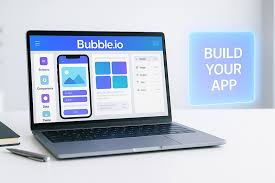
Many no-code platforms have their own marketplaces or showcase sections. If your app is built on a platform like Bubble, Adalo, or Glide, see if they have a place where you can list your app. These platforms often have a built-in audience looking for new no-code creations.
You can also use no-code tools to build landing pages for your app. Tools like Carrd, Typedream, or even the landing page features within website builders like Webflow or Unicorn Platform allow you to create professional-looking pages quickly. These pages are essential for collecting email sign-ups before you launch.
Consider building a simple internal tool for your own business using no-code. Then, market that tool. This is a great way to prove your concept.
It shows real-world use. Many successful apps started this way. They solved a problem the creator had.
The speed of no-code means you can iterate faster based on user feedback. If your first approach to getting users isn’t working, you can quickly tweak your app or your marketing message. This agility is a huge advantage when you’re trying to find your footing.
No-Code Advantage: Speed & Agility
Rapid Prototyping: Build and test ideas quickly.
Fast Iteration: Make changes based on user input swiftly.
Platform Showcases: Leverage existing communities on no-code platforms.
Landing Pages: Use no-code tools to create effective sign-up pages.
Building an Email List: Your Direct Line to Users
An email list is gold for any app creator. It’s a way to communicate directly with people who have shown interest. Even if they haven’t used your app yet.
For no-code apps, building this list early is vital.
Create a simple landing page. Use a no-code website builder for this. Offer something valuable in exchange for an email address.
This is called a lead magnet. It could be a free guide, a checklist, a template, or early access to your app. Something that your target users will find useful.
For instance, if your app helps people organize their finances, you could offer a free budget template. On your landing page, you’d say, “Get our free budget template and start saving money today! Sign up with your email.” People who are interested in finances will likely sign up.
Once you have an email list, you can nurture it. Send out regular updates about your app’s progress. Share helpful tips related to your app’s niche.
Announce your launch date. Build anticipation. When your app is ready, you can email your list and invite them to try it.
This is often your most engaged group of early users.
Services like Mailchimp, ConvertKit, or Sendinblue offer free tiers for small lists. They help you manage your subscribers and send out campaigns. Keep your emails focused and valuable.
Don’t just sell. Help your audience.
Email List Essentials
- Landing Page: Simple, focused page with a clear offer.
- Lead Magnet: A valuable freebie in exchange for an email.
- Email Service: Use tools like Mailchimp or ConvertKit.
- Nurture Campaign: Share value, build anticipation, announce launch.
The Role of Content Marketing
Content marketing involves creating and sharing valuable, relevant content to attract and retain a clearly defined audience. For a no-code app, this can be a powerful way to bring in organic traffic and build authority.
Start a blog on your website. Write articles that address the problems your app solves. If your app helps people learn a new skill, write blog posts about tips for learning that skill.
Share your own experiences. Offer advice.
You can also create video content. Short, helpful videos for YouTube or TikTok can reach a wide audience. Show how your app works in a practical way.
Or create tutorials related to your app’s topic. Make sure these videos are easy to understand and engaging.
Think about creating infographics or shareable social media graphics. These can visually explain concepts related to your app. They are often shared widely, increasing your reach.
Use simple tools like Canva to create these graphics easily.
The key is to provide genuine value. Don’t just push your app constantly. By consistently offering helpful content, you build trust.
People will start to see you as an expert. When they need a solution like yours, they’ll remember you. This approach takes time but builds a sustainable user base.
Content Ideas for Your App
Blog Posts: “5 Tips for.”, “How to Solve.”, “The Best Way to.”
Videos: Tutorials, Q&As, Behind-the-Scenes of your app.
Infographics: Visually explaining complex topics simply.
Social Media Updates: Quick tips, user spotlights, app feature highlights.
When to Worry: Signs Your User Acquisition Needs a Boost
It’s normal for user growth to be slow at first. But there are signs that tell you something isn’t quite working. And you need to pay attention.
One big sign is a lack of engagement. If people sign up for your email list but never open your emails, or if they download your app but don’t use it after the first day, that’s a concern. It means your message or your app isn’t resonating with them.
Another indicator is very low conversion rates. If you get a lot of traffic to your landing page but very few sign-ups, your page might not be clear. Or your offer isn’t compelling enough.
Similarly, if people click on your app store listing but don’t download it, your description or screenshots might be off.
If you’re getting very little feedback, that’s also a warning. It could mean you don’t have enough users, or they aren’t engaged enough to bother telling you what they think. Early feedback is critical for improvement.
Finally, if you’re pouring a lot of time and energy into marketing channels without seeing any return, it’s time to reassess. Maybe you’re trying to reach users in the wrong place, or your message isn’t cutting through the noise.
Don’t get discouraged by these signs. See them as data. They tell you what needs to change.
The beauty of no-code is that you can make those changes relatively quickly.
Warning Signs to Watch For
- Low Email Open/Click Rates: Your content isn’t grabbing attention.
- App Usage Drop-off: Users try it, but don’t stick around.
- Poor Landing Page Conversions: Not enough sign-ups from visitors.
- Lack of Feedback: Users aren’t engaged enough to comment.
- No Results from Marketing Efforts: Wasted time and energy.
Quick Tips for Getting Your First Users
Here are some actionable ideas to help you get those crucial first users for your no-code app.
Direct Outreach: Identify a few people who perfectly match your ideal user profile. Send them a personalized message. Explain your app and ask if they’d be willing to try it and give feedback.
Make it about helping them, not just getting a user.
Leverage Existing Networks: Share your app with your personal and professional networks. Ask friends, family, and colleagues to try it and spread the word if they like it.
Offer a “Founding Member” Deal: For a limited time, offer a special discount or an exclusive feature for your very first users. This creates urgency and rewards early adopters.
Run a Small Contest: Host a giveaway on social media where people can win something by signing up for your app or referring a friend. Keep the prize relevant to your app’s niche.
Guest Posting or Podcast Appearances: If you have expertise in your app’s area, offer to write a guest post for a relevant blog or be a guest on a podcast. Mention your app naturally within the content.
Engage in Relevant Forums: As mentioned before, actively participate in communities where your target users hang out. Be a helpful member first, then introduce your app when it makes sense.
Collect Testimonials: As soon as you get positive feedback from users, ask them if you can use their words as a testimonial. Social proof is incredibly powerful for attracting new users.
Actionable Steps: Your First User Toolkit
- Personalized Messages: Reach out directly to potential users.
- Network Leverage: Ask your contacts to share.
- Early Bird Offers: Special deals for initial users.
- Contests/Giveaways: Incentivize sign-ups and referrals.
- Expert Appearances: Guest posts or podcast interviews.
- Testimonials: Showcase positive user experiences.
Frequently Asked Questions
How long does it usually take to get the first users for a no-code app?
It varies a lot! Some apps get their first users within days of announcing them, especially if they’re solving a very specific, urgent problem or have a strong pre-launch buzz. Others might take a few weeks or even a month or two of consistent effort to gain traction.
The key is consistent effort and learning.
Should I wait until my app is perfect before looking for users?
No, definitely not! For a no-code app, the goal is often to test your idea quickly. Your first users are there to help you find bugs and suggest improvements.
Launching a simple version (a Minimum Viable Product or MVP) and getting feedback is much better than waiting for perfection.
What if my no-code app is very niche? How do I find those few users?
For niche apps, your focus should be on finding very specific communities. These could be specialized forums, LinkedIn groups for that profession, or even subreddits dedicated to that hobby. Direct outreach to individuals known to be interested in that niche can also be very effective.
How do I encourage my first users to give me honest feedback?
Make it easy for them. Provide a simple way to submit feedback, like a link to a Google Form or a dedicated email address. Be clear that you value their honest opinion, even if it’s critical.
Thank them for their input, and if possible, show them how their feedback has led to improvements in the app.
Is it worth paying for advertising to get my first users?
For your very first users, paid advertising is usually not the best first step. Organic methods like community engagement, content marketing, and direct outreach are often more effective and cost-efficient for early traction. Once you have a better understanding of your audience and your app’s value, you can experiment with small, targeted ad campaigns.
What’s the difference between an early adopter and a regular user?
Early adopters are people who are excited about new technology and willing to try new things, even if they aren’t polished. They often seek out new products. Regular users are more mainstream.
They might wait to see if an app is popular and well-reviewed before trying it. Early adopters are crucial for testing and validation.
Conclusion: Your Journey to Your First Users Starts Now
Getting your first users for a no-code app is an exciting part of the journey. It’s about connecting with people who will benefit from your creation. Remember to focus on understanding who you’re helping.
Then, reach out to them where they are. Keep your message clear and benefit-driven. Your no-code tool is ready to make an impact.
Start sharing it!